How to Plan a Privacy Fence Without Closing In Your Mequon Yard
A private backyard can make it easier to relax outdoors, enjoy meals with family, and spend time outside without feeling exposed to neighboring properties. However, creating privacy does not always mean surrounding the entire yard with a tall, solid fence. Depending on the property's layout, an overly enclosed design can make an outdoor space feel smaller, darker, or disconnected from the surrounding landscape.
For homeowners in Mequon, Wisconsin, the key is finding the right balance between seclusion and openness. Fence height, panel spacing, material, placement, and landscaping all influence how a backyard feels. With thoughtful planning, you can create a comfortable outdoor retreat while preserving natural light and maintaining an attractive view of your property.
Identify the Areas Where Privacy Matters Most
Before choosing a fence, determine which parts of your yard need the most privacy. You may want to screen a patio, protect a swimming or seating area from direct views, or create a more secluded space around an outdoor dining table.
Walk through your backyard at different times of day. Notice where neighboring windows overlook your patio, where people can see directly into your outdoor seating area, and where activity from nearby properties is most noticeable.
You may discover that only one or two sections need substantial screening. For example, a fence along the side of a patio might provide the privacy you want without enclosing the entire yard.
This approach can also help you manage the project's cost. By concentrating the most substantial fencing where it provides the greatest benefit, you can avoid adding unnecessary panels while keeping other areas more open.
Choose the Right Fence Height
Fence height plays a major role in the balance between privacy and openness. Taller fences can block more direct views, but they also create a larger visual barrier. Lower or partially open designs may preserve the feeling of space while offering some separation.
Consider how you use each area before settling on a height. A dining patio may benefit from more screening than an open lawn, while a garden area may need only a defined boundary.
The surrounding properties matter, too. A fence that blocks views at ground level may not provide complete privacy from an elevated deck or second-story window. In those situations, strategic placement and landscaping may be more useful than simply increasing the height.
In Mequon, fence height also affects placement requirements. The city's official fence guidance states that fences under 4.5 feet may be located in most parts of a property, except in an easement or on the property line. Fences over 4.5 feet must meet applicable offset and setback requirements. A permit is required regardless of fence height, so confirm the rules for your specific property before choosing a design.
Compare Solid and Open Fence Designs
The amount of space between fence boards or other components affects both privacy and the overall appearance of the yard.
Solid Privacy Fencing
Solid panels provide a more complete visual barrier at ground level. They can be useful around patios, outdoor dining spaces, and areas where homeowners want to limit direct views from neighboring yards.
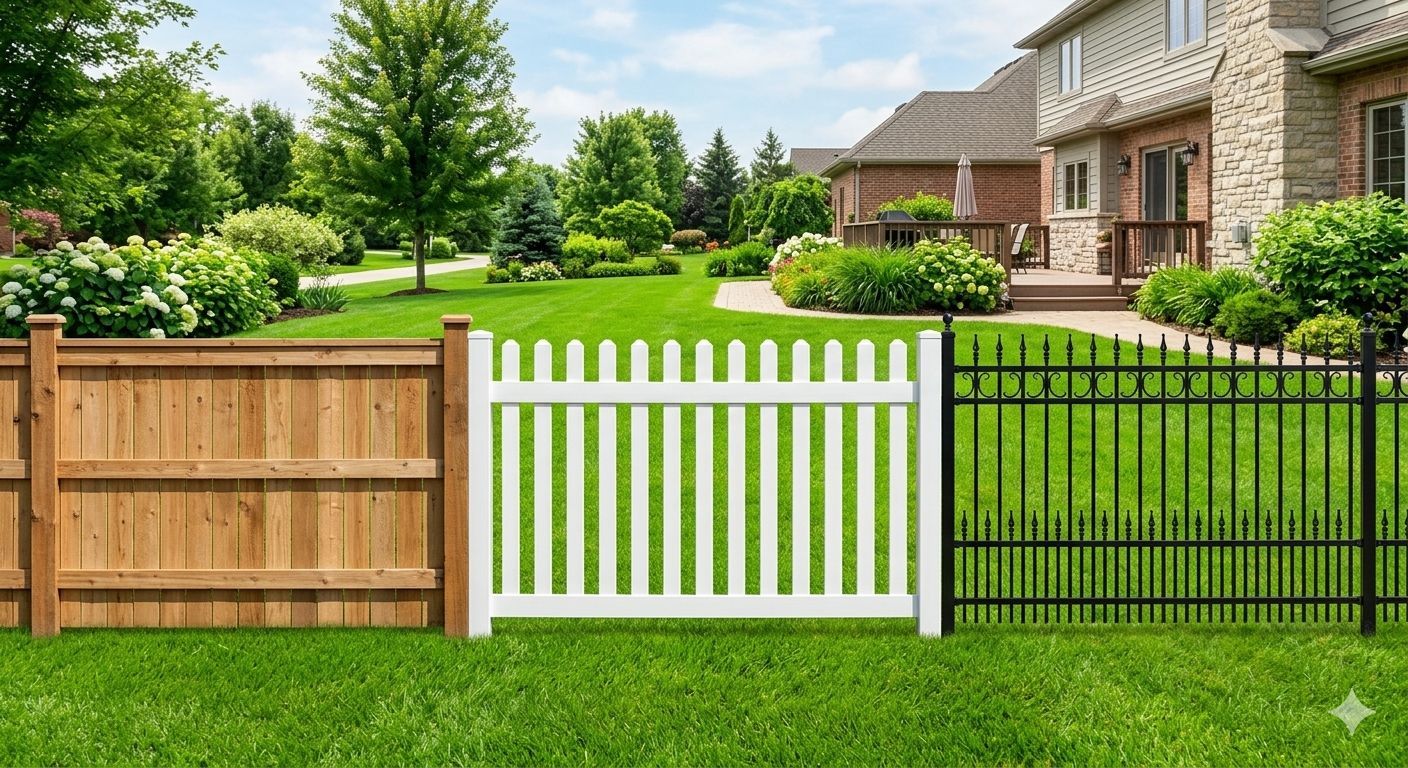
Wood and vinyl are common options for solid-style fencing. The finished appearance depends on the panel design, color, height, and how the fence relates to the house and landscaping.
Because solid fences have a substantial visual presence, consider limiting them to the areas where privacy is most important. This can help preserve a more open feeling across the rest of the yard.
Semi-Private Fencing
Semi-private designs use spacing or other features that allow some light and visibility to pass through. They can create a defined boundary without making the yard feel completely enclosed.
These designs may suit homeowners who want a little separation while still enjoying views of trees, gardens, or other landscape features. Keep in mind that gaps between boards provide less privacy, particularly when viewed from certain angles.
Decorative Metal Fencing
Metal fencing often preserves visibility while establishing a clear property boundary. It may be appropriate for areas where openness matters more than complete visual screening.
Although an open metal fence will not provide the same privacy as solid panels, it can be combined with carefully positioned shrubs or other landscaping to create a more secluded setting over time.
Choosing the right design depends on whether your main goal is blocking views, defining outdoor spaces, or combining privacy with an open landscape.
Use Landscaping to Soften the Fence
A fence does not need to stand alone as a solid wall. Landscaping can soften its appearance and help the entire backyard feel more natural.
Shrubs, ornamental grasses, and appropriately selected trees can provide additional screening while introducing texture and greenery. Plants placed along a fence line can also break up a long, uninterrupted panel and make the boundary feel less imposing.
For example, a solid fence behind a patio could be paired with planting beds along selected sections. A more open fence could be complemented by shrubs positioned where neighboring views are most direct.
When choosing plants, consider their mature size, growth rate, and maintenance needs. Avoid placing large shrubs so close to the fence that they become difficult to trim or interfere with panels and posts. You should also account for how plants will look during Wisconsin's colder months, when deciduous varieties lose their leaves.
Landscaping usually takes time to establish, so plan for the level of privacy you need immediately as well as the additional screening you may gain in the future.
Select Materials That Suit Your Backyard
Fence material influences how the enclosure looks, how much maintenance it requires, and how well it complements the home.
Wood fencing offers flexibility in height, spacing, and design. Natural finishes can blend with garden settings, while painted or stained finishes can coordinate with decks, trim, and other exterior features. Wood requires periodic maintenance to address weathering and moisture exposure.
Vinyl fencing provides a consistent finished appearance and does not require routine staining or painting. Solid vinyl panels can provide substantial visual screening, while other designs offer a more open look. Proper support and installation remain important for long-term performance.
Metal fencing can create a defined boundary with a relatively open appearance. It may work well for front or side areas where maintaining views is desirable, although the amount of privacy depends on the specific design.
Consider how each material will look alongside your home's siding, brickwork, windows, and outdoor features. A fence that complements the property is more likely to feel like a natural part of the landscape rather than a separate structure added later.
Think About Sunlight, Views, and Airflow
Privacy is important, but the way a fence affects the rest of the yard deserves equal consideration. A tall, solid barrier can change the amount of sunlight reaching nearby planting beds and seating areas, depending on its orientation and surrounding structures.
If you enjoy gardening, identify areas that receive direct sunlight before deciding where to install solid panels. Plants that need full sun may not perform as expected if their growing conditions change substantially.
Also consider the views you want to preserve. A fence might screen an unattractive view from a neighboring property while leaving a mature tree or attractive part of your own landscape visible.
Open or partially open designs can help maintain a sense of connection between different parts of the yard. They may also allow more air to pass through than a solid panel design. If reducing wind exposure is a goal, remember that solid fencing affects airflow differently and should be selected with the site's conditions in mind.
The best layout addresses your privacy concerns without unnecessarily sacrificing the features that make the backyard enjoyable.
Plan Around Wisconsin's Seasonal Weather
Mequon homeowners should consider year-round conditions when planning an outdoor enclosure. Rain, snow, freezing temperatures, and changing seasonal moisture can affect fencing materials and the surrounding landscape.
Solid fences can collect more wind pressure than open designs, so appropriate posts, supports, and installation methods are important. Wood fences need regular inspection for weathering, loose fasteners, and deteriorating areas. Vinyl and metal fencing should also be checked for damage, movement, and loose connections.
Snow storage is another practical consideration. Think about where snow is normally cleared from driveways and walkways, and avoid planning a fence layout that unnecessarily complicates access or seasonal maintenance.
Drainage deserves attention as well. Before installation, identify areas where water collects or moves across the yard. Fence planning should account for existing drainage patterns rather than creating an unintended obstacle to runoff.
Considering these details before construction can help your fence remain functional and attractive through changing seasons.
Check Mequon's Fence Requirements Before Installation
Before finalizing your design, review the City of Mequon's current fence regulations. According to the city's fence and shed permit guidance, all fences require a permit, regardless of height. The application process includes a building permit application, a survey showing the proposed fence location and distances from property lines, and a zoning form.
Fences over 4.5 feet high must meet applicable offset and setback requirements. The city also notes that fences within certain offsets and over that height may require notarized approval from neighboring property owners. Requirements depend on the property's location and circumstances, so contact the Zoning Department before proceeding.
You can review the city's official fence and shed permit requirements or contact the Inspections Department for application questions.
It is also important to verify property boundaries and arrange for underground utilities to be marked before digging post holes. Addressing these details early can help prevent unnecessary changes and delays.
Create a Backyard That Feels Private and Comfortable
A successful privacy fence should do more than block a view. It should support the way you use your yard while preserving the light, landscaping, and open atmosphere you enjoy.
By identifying the areas that need screening, choosing a suitable fence height, comparing solid and open designs, and considering plants and seasonal conditions, you can create a more comfortable outdoor space without making the entire property feel enclosed.
For homeowners in Mequon, WI, Mequon Fence can help explore fencing options that fit your property's layout, privacy goals, and preferred appearance. With careful planning and a design suited to your yard, a fence can provide useful separation while keeping your outdoor space welcoming and visually balanced.